Attaching Foam to Wood: Craft vs Structural Applications
How do I glue foam to wood without melting or weakening the foam?
On this page
Many DIYers reach for a spray adhesive only to watch their foam dissolve. The key is matching the glue to the foam type and project demands. We'll break down which adhesives actually work for EPS, XPS, and PU foam on wood, whether you're crafting a model or building a structural panel.
Know Your Foam: EPS, XPS, and PU Explained
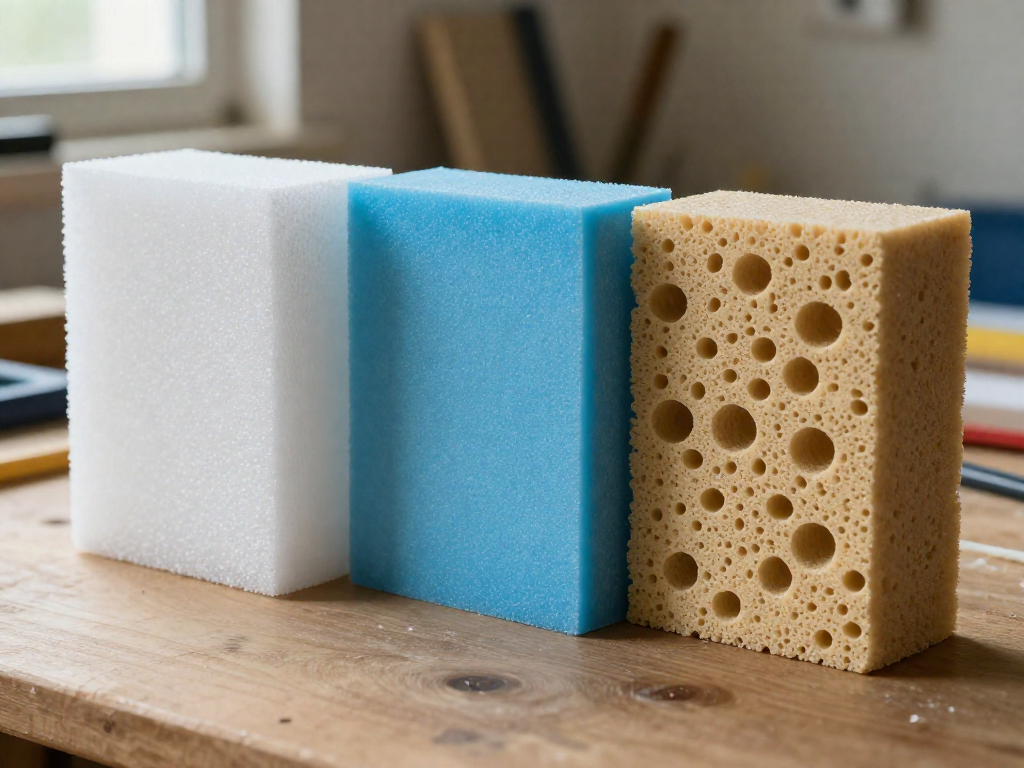
To glue foam to wood without melting or weakening it, match your adhesive to the foam type. Expanded polystyrene (EPS) and extruded polystyrene (XPS) dissolve on contact with many spray adhesives; water-based contact cements or foam-safe sprays like Camie 373 are essential (The Foam Factory). Polyurethane (PU) foam is more chemical-resistant and can handle some solvent-based glues, but water-based options remain the safest choice.
The Adhesive Compatibility Matrix: What Works (and What Melts)
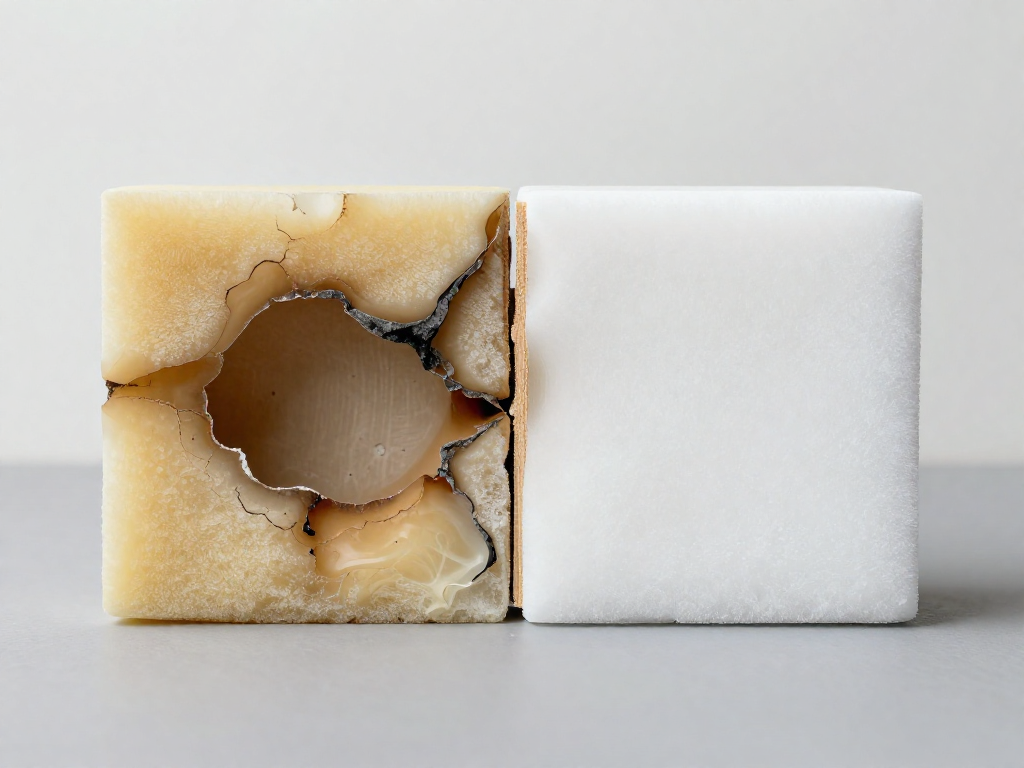
If you’re attaching foam to wood, one wrong glue can turn your panel into a gooey mess. The key is matching the adhesive to the foam type—especially that crumbly white EPS (expanded polystyrene) that solvents love to dissolve. Here’s the rundown of what bonds cleanly, what holds under load, and what to keep far away.
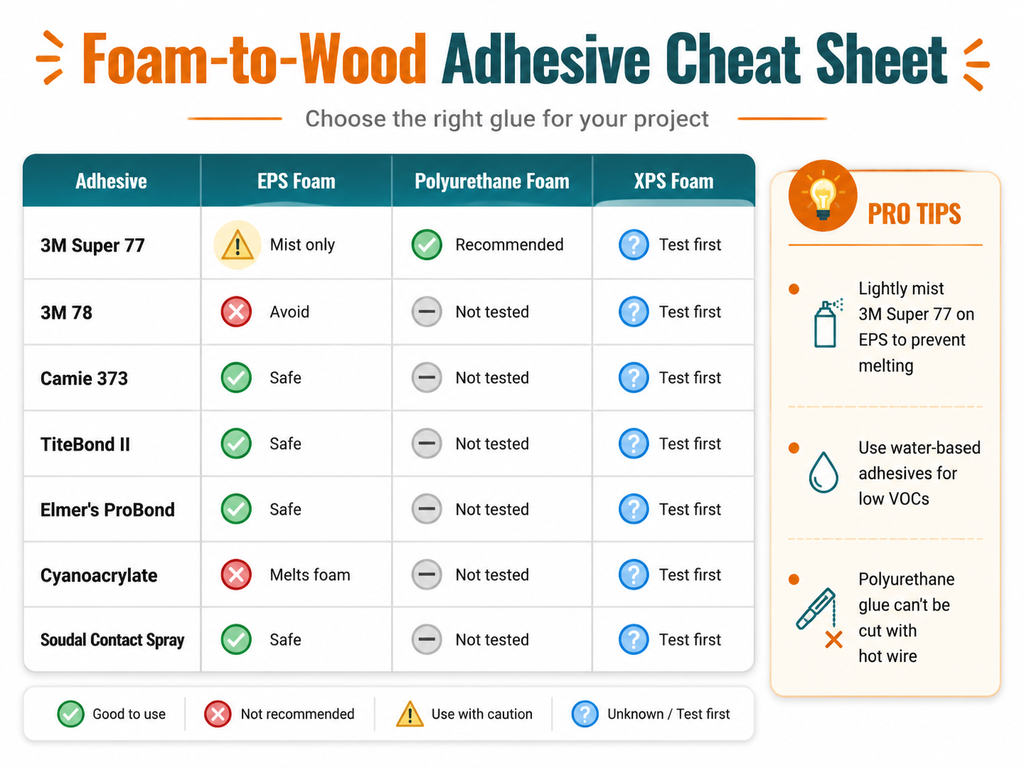
Spray adhesives are the go-to for large-area coverage, but you have to choose carefully. 3M Super 77 is a popular all-rounder, but its solvent can melt EPS unless you apply with a very light misting technique: spray a fine layer, let it flash off for a minute, then build up several thin coats. Honestly, for craft projects where precision matters less than peace of mind, skip the trickiness and reach for Camie 373—it’s specifically formulated to be EPS-safe. If you need to work outdoors, 3M 78 does bond foam, but be aware it contains methylene chloride, a carcinogenic compound, so ventilation is a must. For an indoor, low-odor spray, water-based contact adhesives like 3M 30NF Green Fastbond deliver a strong bond without any foam degradation, and they keep VOCs to a minimum.
White and PVA glues are the quiet overachievers of this category. In a hands-on test prying bonded foam from wood, TiteBond II tore chunks of styrofoam out, while standard Elmer’s wood glue peeled away with almost no adhesion (The Best Glue For Styrofoam And Foam). Elmer’s ProBond performed similarly well. For lightweight signs, cosplay armor, or model scenery, these water-based glues are safe, non-toxic, and strong enough—just clamp or weight the pieces while drying. They won’t leave a hard line, so sanding and carving afterward is easy.
Polyurethane glue, like original Gorilla Glue, is the muscle option. It foams up and cures into a rigid bond that laughs at moisture and temperature swings. The downside: it doesn’t hot-wire or sand well, so only use it when you’re confident you’ll never reshape that joint. Think permanent furniture cushioning or insulation panels that won’t see a saw again.
Super glue? Just don’t. Cyanoacrylate eats into EPS like a hot knife through butter and gives you no bond to show for it. Nor will you get anywhere with heavy-bodied solvent cements on styrofoam without testing—the moment you see bubbles, you’ve lost material.
If you need to spray a solvent-based product like Soudal Contact Adhesive, always spot-check a scrap first. For most crafters gluing foam to wood, a PVA like TiteBond II or a water-based contact cement is the sweet spot: predictable, clean, and strong enough for the job.
Craft vs. Structural: Matching Bond Strength to Your Project
For a foam cosplay sword or a decorative trim on a shelf, you don't need an industrial-strength bond. A water-based contact adhesive, like 3M 30NF Green Fastbond, is a smart pick—low odor, low VOCs, and safe for all foam types. It provides a quick, grabby hold that's more than enough for light-duty craft applications.
When the foam is holding weight or under constant stress, the game changes. Polyurethane glues (Gorilla Glue, Elmer's ProBond) deliver the highest strength in pull-apart tests, often ripping out foam before the bond fails. The catch? Polyurethane leaves a hard, rubbery seam that's almost impossible to hot-wire cleanly, so shape your foam precisely before gluing. If you can clamp the pieces, TiteBond II wood glue punches above its weight class: in side-by-side testing, it tore off chunks of styrofoam while standard sprays gave up.
Steer clear of solvent-based sprays like 3M Super 77 on EPS foam—they can melt it (The Foam Factory). If you must have a spray for structural work, and you have ventilation, 3M 78 is a foam-safe option, though it still demands careful application to avoid drips.
Application Techniques for a Strong, Safe Bond
A bond’s strength comes as much from how you apply the adhesive as which one you pick. Foam is delicate, and a few missteps can melt it or leave you with a weak joint that pulls apart under light pressure.
Surface prep matters. Both surfaces must be clean, dry, and dust-free. On smooth, closed-cell foams (like XPS or dense polyurethane), lightly scuff the bonding face with fine sandpaper. The slight roughness gives glue something to bite into without compromising the foam’s structure.
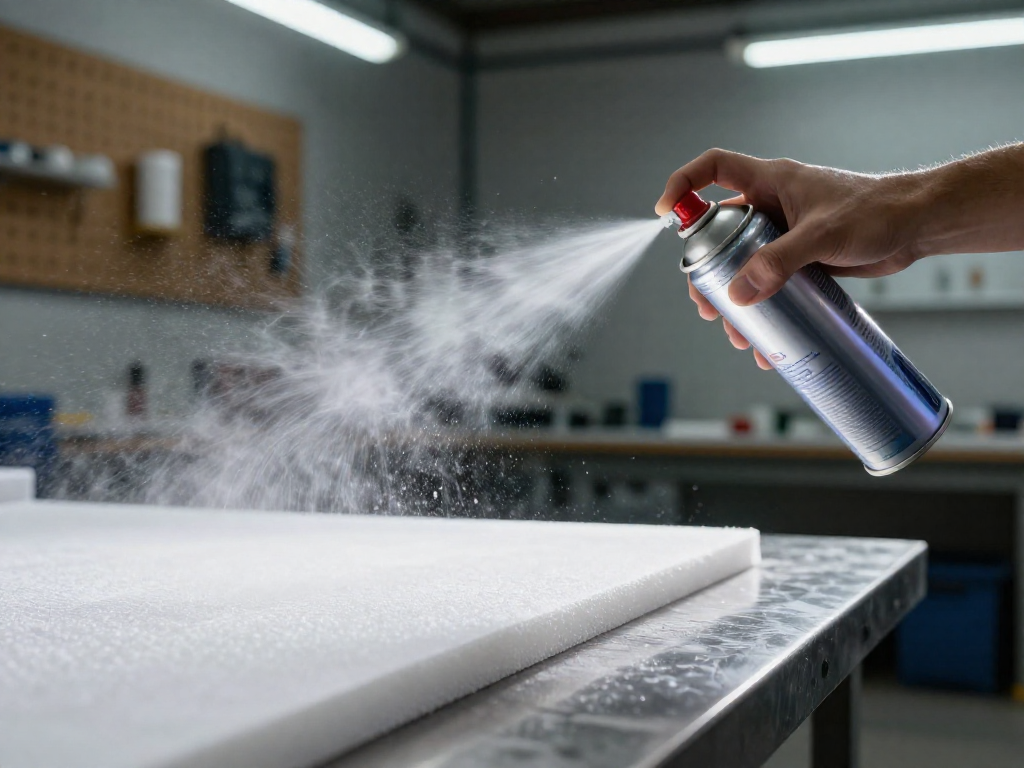
Spray adhesives and the melting problem. The biggest risk with expanded polystyrene (EPS) is attack from solvent-laden sprays. For EPS foam, a spray adhesive like Camie 373 is specifically formulated to prevent damage (The Foam Factory). Apply a thin, even coat to both surfaces, wait a minute or two for the carrier solvents to flash off, then press firmly together. If you must use a more aggressive option like 3M Super 77, the mist technique is non‑negotiable: hold the can 12–18 inches back, apply an ultra‑light mist, and let it tack up completely—usually 30–60 seconds. Repeat with two or three thin passes, never a single heavy coat. The goal is to deposit enough adhesive while letting the solvents evaporate before they can eat into the foam. Do this outdoors or with strong cross-ventilation; many spray adhesives contain potent solvents, and some, like 3M 78, carry explicit outdoor‑only warnings because of methylene chloride.
White glue and wood glues. For rigid foams and craft projects, a PVA wood glue like TiteBond II is surprisingly effective. Spread a thin, uniform layer on one surface, align the parts, and clamp or weigh them down. Because foam crushes easily, use a board to distribute pressure evenly and protect the surface. Full cure takes around 24 hours, but once set, the bond often tears out foam material rather than failing at the glue line.
No matter which adhesive you choose, always work in a well‑ventilated area when using anything solvent‑based, and never rush the cure time. For structural, load‑bearing bonds, these craft‑focused techniques aren’t enough—you’ll need mechanical fasteners or adhesives designed for that purpose, as covered in the adhesive matrix.
Health and Indoor Air Quality: Choosing Low-VOC Options
Some spray adhesives, notably 3M 78, contain methylene chloride, a known carcinogen; the label itself warns to use it outdoors only. For indoor projects, the safest route is to skip solvent-based sprays entirely. Water-based contact cements like 3M 30NF Fastbond emit dramatically lower VOCs and are a practical alternative. If a spray is essential for coverage, Camie 373 is formulated specifically for EPS foam and won’t off-gas the same hazardous solvents (The Foam Factory). PVA-based wood glues can also work in craft applications where you can clamp or weight the bond while it cures. The bottom line: if your foam-to-wood assembly will live indoors or in a poorly ventilated space, go water-based or skip the aerosol.
Quick Decision Guide: Which Glue for Your Foam and Wood Project?
For craft projects bonding EPS foam to wood, reach for a PVA wood glue like TiteBond II — in tests it grabbed styrofoam so well it tore off foam material during removal. When you need a structural, weather‑resistant bond for EPS and wood, Camie 373 spray adhesive is the safer bet; it's specifically designed to avoid melting EPS (The Foam Factory). Polyurethane foam to wood takes 3M Super 77, but only applied with a light mist to prevent melt‑through, or a water‑based contact cement like 3M 30NF Green Fastbond for minimal fumes. For the lowest health risk indoors, stick with PVA wood glue or that same water‑based contact adhesive. Whichever glue you pick, always test on a scrap piece first — foam type and finish can surprise you.
Sources
- Pick The Right Glue For The Job: How to Select Adhesives For Bonding Foam - The Foam Factory — thefoamfactory.com
- How to Glue EPS Foam Sheets Together, 3M Super 77 vs 3M 78 Spray Adhesive | Surfboard Building — youtube.com
- Adhesives That Won't Dissolve Your Foam - Taylor Theatrics — taylortheatrics.com
- The Best Glue For Styrofoam And Foam [2023] — youtube.com
- Soudal Contact Spray Adhesive 300ml High-Strength Multi-Purpose Spray Glue – Project DIY — projectdiy.co.uk
See also
- Best Adhesives for Foam and Plastic
- Removing Adhesive Residue from Wood and Foam
- Gluing Fabric to Foam for Upholstery Projects
Related articles
Joining Concrete to Wood: The Right Adhesive for Fence Posts and Decks
Which adhesive is best for attaching wood to concrete in outdoor projects?
Jul 22, 2026 · 11 min read
How to Bond Acrylic to Metal: Achieving a Clear, Strong Joint
What's the best adhesive for bonding acrylic (plexiglass) to metal without clouding?
Jul 22, 2026 · 6 min read
Gluing Silicone: Is It Even Possible and What Alternatives Work?
Can you glue silicone to something else, and if not, what should you use?
Jul 22, 2026 · 5 min read