Bonding Plastic to Metal: Which Adhesive Actually Works?
How do I bond plastic to metal for a strong, lasting repair?
On this page
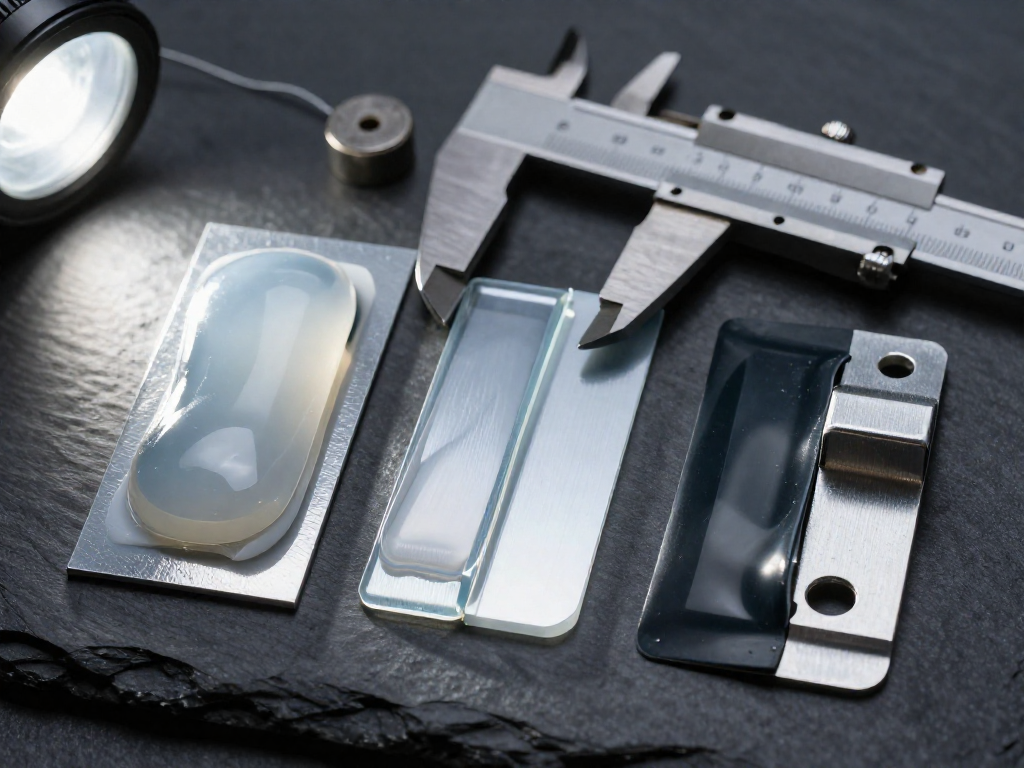
Epoxy wins in strength, but strength alone can break your repair. Learn how to match adhesive to your plastic-metal pair for a bond that lasts.
Why Most Plastic-to-Metal Repairs Fail (And How to Get It Right)
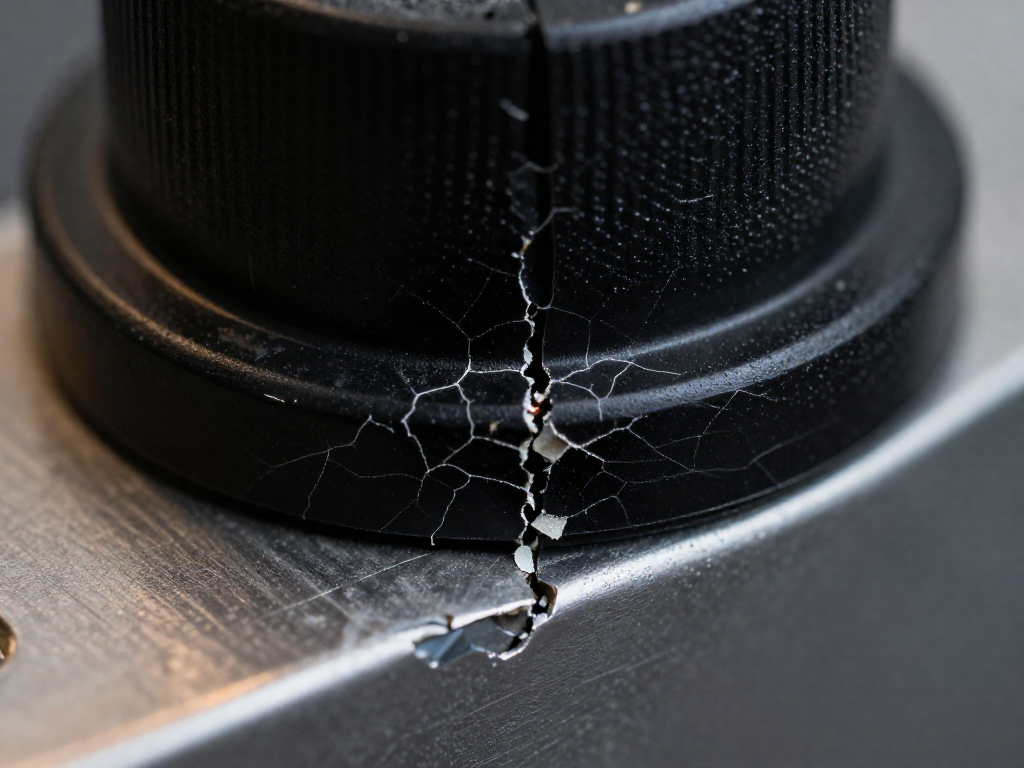
A lasting plastic-to-metal bond isn’t about grabbing the strongest glue off the shelf. Most failures happen because the adhesive overpowers the plastic, or because surface prep was skipped. When the adhesive film is tougher than the plastic it's bonded to — ABS plastic, for instance, has a strength of just 6–9 MPa — stress transfers directly into the component and can tear it apart from within (Forgeway). And even the best epoxy won’t hold if you skip a proper alcohol wipe and a few passes with 400-grit sandpaper to roughen up the surface.
The Big Three Adhesives for Plastic-to-Metal Bonding
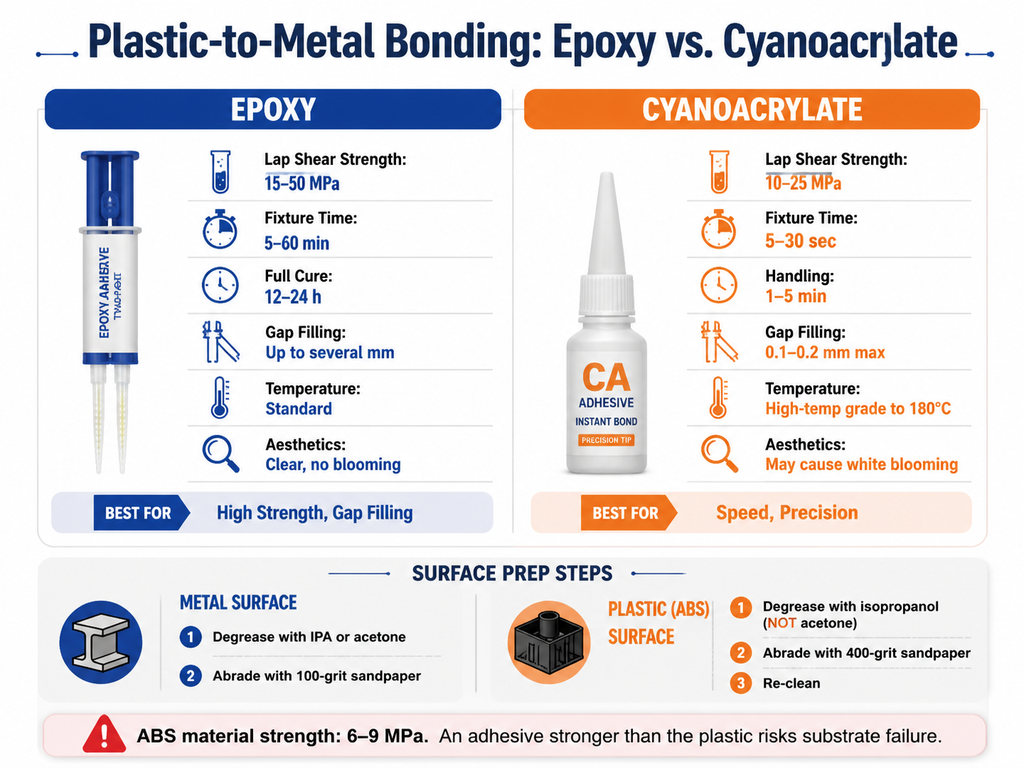
Epoxy is the heavyweight champion for plastic-to-metal bonds. As a two-part adhesive, it cures into a rock-solid, gap-filling layer that can bridge uneven surfaces—something critical when mating metal and plastic, which rarely fit perfectly. Expect a fixture time of 5–60 minutes, with a full cure at room temperature taking 12–24 hours (you can slash that to 1–2 hours with a 60°C heat cure). No other common glue handles gaps as well: thixotropic epoxy pastes can fill spaces up to several millimeters, while standard cyanoacrylate manages just 0.1–0.2 mm before losing strength (JULI Adhesive).
That brings us to cyanoacrylate (super glue). It’s the sprinter: fixtures in 5–30 seconds, handling strength in under 5 minutes. The downside is that its low viscosity demands perfectly mating, smooth surfaces, and it simply won’t bridge gaps. On some plastics like ABS, uncured CA can also cause stress cracking, so wipe off excess promptly. Think of CA as your go-to for a fast, low-gap repair on rigid parts—but skip it for anything load-bearing or gap-prone.
Structural acrylics (often called MMA adhesives) sit between these two. They are two-part adhesives that cure with a balanced mix of speed, toughness, and flexibility. The 10:1 mixing ratio version is notably more flexible, which is invaluable when bonding materials that expand and contract at different rates—exactly what happens when plastic meets metal. They resist impact and vibration better than epoxy and can bond without extensive surface preparation. If your joint will see movement or thermal cycling, a structural acrylic often outperforms the others.
The Strength Paradox: Why Stronger Glue Can Actually Weaken Your Repair
Here’s a counterintuitive reality of plastic-to-metal bonding: an adhesive that’s stronger than the plastic it holds can cause the plastic itself to break. ABS, for example, has a material strength of just 6–9 MPa, while some toughened epoxies top 30 MPa (Forgeway). When your repair takes a knock or a jolt, all that stress channels straight into the weaker substrate—the plastic. Instead of the bond giving way, the plastic cracks, often right next to the glue line. This is substrate failure, and it’s the silent killer of well-intentioned repairs.
So what’s the fix? Choose an adhesive that flexes enough to absorb shock without over-stressing the plastic. Methyl methacrylate (MMA) structural acrylics excel here, especially the 10:1 mixing ratio version. That formula cures tough but not rigid—ideal for parts that see movement or vibration. It bridges the stiffness gap between metal and plastic, distributing load rather than concentrating it. For most ABS-to-metal jobs, I’d reach for a 10:1 MMA first.
If your plastic is especially low-strength and the joint is tight (gap under 0.2 mm), a cyanoacrylate (CA) “super glue” can work—but only with care. CA adhesives fill almost no gap, so the parts must mate perfectly. More important: uncured CA can stress-crack ABS on contact. Wipe away any squeeze-out immediately and consider a primerless formulation for better compatibility. Skip CA altogether if the joint sees any flex or frequent loading.
Surface prep matters just as much as glue choice. For ABS, rough up the area with 400-grit sandpaper to give the adhesive a mechanical bite. Clean with isopropanol—not acetone, which can attack and weaken the plastic. These simple steps prevent a strong adhesive from simply peeling off a weak, unprepared surface, shifting failure back where it belongs: into the glue, not your plastic part.
Surface Prep: The 10-Minute Step That Makes or Breaks the Bond
You can choose the perfect adhesive, but if the surfaces aren't prepped, the bond will fail. For plastic-to-metal repairs, the most critical 10 minutes are the ones you spend cleaning and abrading both sides.
Start with the plastic. If you're working with ABS—common in appliance housings and automotive trim—scuff the bonding area with 400-grit sandpaper. This gives the adhesive a mechanical foothold. Then wipe the surface with isopropanol or a dedicated cleaner like Permabond Cleaner A. Skip the acetone—it's too aggressive and can attack ABS, softening or crazing the plastic before you even apply the glue (Permabond). For polycarbonate or acrylic, a similar sand-and-solvent routine works, but always check the manufacturer's datasheet if you're unsure. Polyolefins like polyethylene and polypropylene are a different story; they often need flame or plasma treatment to accept adhesives, so for a reliable home repair, stick with ABS, PC, or acrylic.
Metal gets its own prep sequence, but it's just as straightforward. Degrease the area with isopropyl alcohol or acetone—metal can handle either—to remove all oils and fingerprints. Then abrade the surface with 100-grit sandpaper to create some tooth. After sanding, degrease again. This second wipe lifts away the metal dust and any residual oils that the sanding uncovered. On heavily rusted or mill-scale-covered steel, a more aggressive etch with dilute hydrochloric acid can work wonders, but for most DIY fixes, a thorough sanding is more than sufficient. Rinse and dry the metal completely with a clean, lint-free cloth—water or solvent residue will sabotage the bond.
Before you mix the adhesive, do one last check. Both surfaces must be bone-dry and completely dust-free. A final pass with a lint-free cloth dampened with isopropanol removes any last particles. Apply the adhesive within minutes; ambient humidity and skin oils re-contaminate clean surfaces fast. If you're using a cyanoacrylate (super glue) on ABS, be especially fast—uncured CA can stress-crack the plastic. Wipe away any excess immediately, before it has a chance to cause damage.
Head-to-Head: Epoxy vs. Cyanoacrylate vs. Acrylic for Your Project
Here's how they stack up for real-world plastic-to-metal repairs.
Lap shear strength wraps the story in a single number. Epoxy delivers 15–50 MPa, while cyanoacrylate (CA) manages only 10–25 MPa. On a steel substrate, for example, epoxy hits 24 MPa and CA sits between 15 and 22 MPa. That gap means if your repair takes any kind of load, epoxy is the one to reach for.
Gap filling is where CA stumbles hard. As adhesives manufacturer JULI Adhesive notes, its maximum effective gap is just 0.1–0.2 mm—essentially zero. Epoxy, particularly a thixotropic paste, fills gaps up to several millimetres. If your parts don't mate perfectly, cyanoacrylate will simply not hold.
Cure speed flips the script. CA fixtures in seconds, letting you handle the part in under a minute. Epoxy needs 5–60 minutes just to fixture, and full cure can take 12–24 hours at room temperature (although heat at 60°C slashes that to 1–2 hours). For a quick fix, nothing beats CA.
Temperature tolerance also favours epoxy. Standard CA softens around 80°C, while most epoxies can handle higher sustained heat. High-temperature CAs do exist—some rated to 180°C—but they’re a specialty product. For anything near a heat source, epoxy is the safer bet.
Flexibility is where methyl methacrylate (MMA) acrylic adhesives earn their place. A 10:1 mix ratio MMA offers more give than either brittle CA or rigid epoxy, absorbing vibration and thermal expansion without fracturing. It’s the go-to for parts that will move or shake.
Finally, consider appearance. Standard CA crazes to a chalky white bloom on dark or transparent plastics—a cosmetic nightmare—though non-blooming grades are available. Epoxy cures clear to amber, and MMA can be neat when dispensed carefully.
Quick Decision Guide: Which Adhesive to Pick for Your Plastic-Metal Pair
If your parts fit with barely visible gaps—less than 0.2 mm—and you need a quick set, reach for cyanoacrylate. Choose a non-blooming formula if the repair will be visible. When there’s any gap to fill or you need the strongest possible bond, mix up a two-part epoxy; its paste fills several millimeters and cures overnight. For assemblies that must handle impact or vibration, particularly ABS bonded to steel, a structural acrylic with a 10:1 mix ratio gives the flexibility the joint needs (Forgeway). And whatever you choose: sand both surfaces and wipe with isopropanol first—it’s the step that actually makes the glue hold.
Sources
- Epoxy vs Cyanoacrylate: Which Industrial Adhesive Bonds Better? - JULI Adhesive | Industrial Adhesive Manufacturer & Solution Provider From China — juliadhesive.com
- Epoxy vs Super Glue for Plastic Repairs | Best Adhesive Compared — gh1200.com
- Loctite Design Guide for Bonding Plastic — ellsworth.com
- ABS Adhesive | What's the best glue for ABS plastic? — permabond.com
- Choosing the right adhesive to bond ABS plastic: What you need to know - Forgeway Ltd — forgeway.com
- Preparation of Surfaces for Epoxy Adhesive Bonding — smooth-on.com
- Bonding Metal: Guide for Strong, Lasting Adhesive ... — chemical-concepts.com
See also
- /adhesive-for-plastic-to-wood
- /best-glue-for-metal-to-metal
- /how-to-remove-epoxy-from-hands
Related articles
Attaching Foam to Wood: Craft vs Structural Applications
How do I glue foam to wood without melting or weakening the foam?
Jul 22, 2026 · 6 min read
Joining Concrete to Wood: The Right Adhesive for Fence Posts and Decks
Which adhesive is best for attaching wood to concrete in outdoor projects?
Jul 22, 2026 · 11 min read
How to Bond Acrylic to Metal: Achieving a Clear, Strong Joint
What's the best adhesive for bonding acrylic (plexiglass) to metal without clouding?
Jul 22, 2026 · 6 min read