Humidity-Tolerant Adhesives: Bonding in Moist Climates Without Blushing
Which adhesives cure properly in very humid environments?
On this page
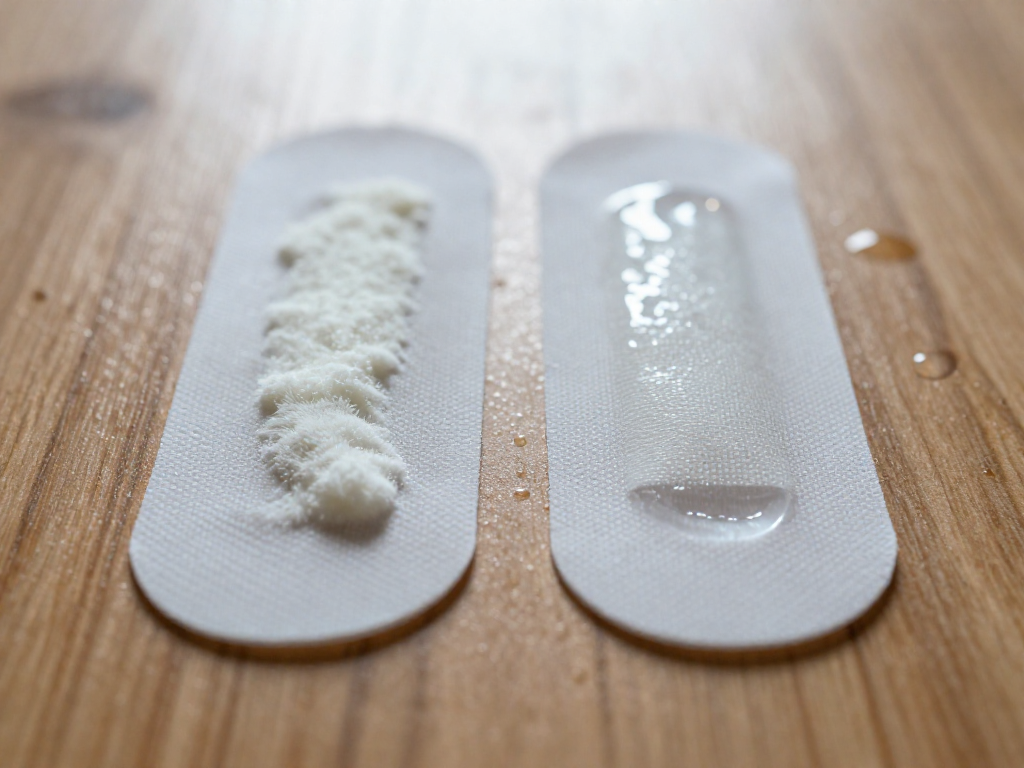
You’ve just repaired a treasured vase with super glue, but a frosty white halo now ruins its appearance. This blushing is a common headache in humid spaces like bathrooms or coastal garages. Instead of generic advice, let’s uncover why it happens, how to prevent it, and which adhesives actually thrive when the air is thick with moisture.
Why Super Glue Turns White in Humid Air (The Science of Blushing)
If you’re bonding in a damp climate, your best bets are moisture-curing polyurethane adhesives or certain amine-cured epoxies—they actually use humidity to cure rather than fighting it. Standard cyanoacrylate (super glue) blushes into a stubborn white haze because of how its chemistry reacts to airborne moisture.
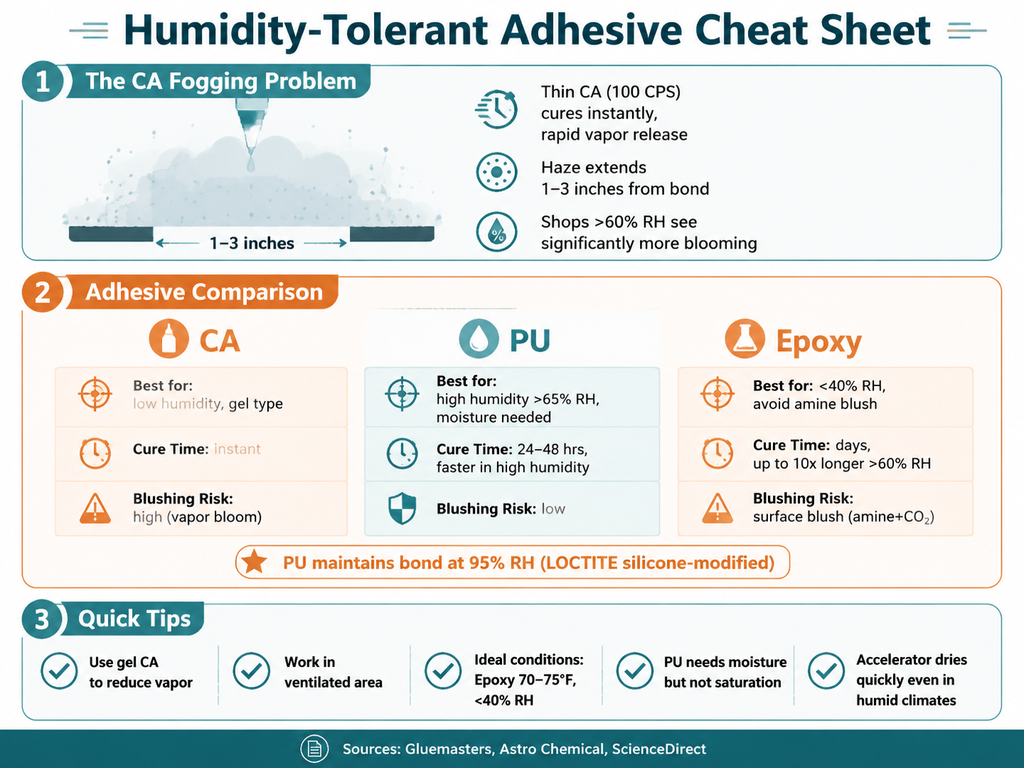
That haze isn’t a reaction with liquid water sitting on the surface; it’s micro-crystallized cyanoacrylate monomer that flashes into vapor during curing and then settles back down. As Gluemasters describes it, the vapor deposits back onto the part as a frosty film, often extending 1–3 inches from the bond line. The root trigger is humidity above roughly 60% RH—shops that hit that threshold see dramatically more blooming than dry environments.
Viscosity matters a lot. Thin CA (around 100 CPS) wicks aggressively, cures almost instantly, and releases a violent burst of vapor. Gel CA cures much slower, so the vapor release is gradual and the total volume lower—meaning far less white residue for the same joint size. This is why switching to a gel formula is often the single most effective fix for cosmetic blushing without changing your workspace conditions.
Stop the Fog: How to Prevent CA Blushing Before It Starts
Switch to gel CA. It cures more slowly than watery formulas, so the monomer vapor that causes blushing releases gradually and in lower total volume. Less fog forms.
Apply it sparingly—one drop spread thin covers about a square inch, and extra glue only feeds the haze. A small fan or open window helps clear away vapor before it crystallizes.
In humid conditions, choose an accelerator formulated to flash off quickly. Gresco Products, for instance, offers one that dries fast even in muggy air. If a faint haze still appears, buff it off with a mild abrasive or a quick acetone wipe.
Moisture-Curing Adhesives: The Humid-Weather Heroes
Most adhesives hate humidity, but moisture-curing polyurethane (PU) adhesives actively drink it in—and cure faster because of it. These one-component glues rely on ambient moisture to crosslink, so a damp day shortens your wait instead of ruining the bond. A typical PU takes 24 to 48 hours to fully cure at average humidity; in a sticky climate, that can drop to just a few hours.
More importantly, humidity doesn’t weaken the final hold. Once cured, the adhesive’s storage modulus—a measure of stiffness and strength—levels off after about 65% relative humidity and doesn’t keep increasing or start to degrade (ScienceDirect). That means you get a stable, predictable bond even when the air is heavy with moisture. Silicone-modified formulations push that tolerance further: LOCTITE’s range, for instance, maintains bond strength through 95% RH without issue.
But don’t assume every moisture-cured PU thrives in a steam bath. One bio-based version actually produced its best shear adhesion on wood at a modest 33% relative humidity—much drier than you’d expect. And while debonding shear strength on stainless steel rises with higher humidity, the optimal environment depends on the substrate and chemistry. Always check the manufacturer’s cure profile for your specific materials and conditions. In a tropical workshop or a rainy-day repair, you’ll still find that moisture-curing adhesives are the most reliable choice you can reach for.
Epoxy in the Steam: When Humidity Becomes the Enemy
If you reach for epoxy in a steamy garage, you're asking for trouble. Above 60% relative humidity, cure time can stretch from hours to days—a tenfold increase. Even a microscopic 0.1% moisture contamination in the mixed resin adds 30% to the clock. Astro Chemical has documented these effects. And then there's blushing: that waxy, milky haze on the surface. It's just a cosmetic amine-carbon dioxide reaction, not a bond failure, but it can ruin a clear finish. For a clean cure, aim for 70–75°F and below 40% RH. If you must use epoxy in damp air, grab a fast-set formulation or warm the workspace to drive off moisture.
At a Glance: Adhesive Picks for Moist Climates
For a clear cosmetic fix, try gel CA with accelerator—the thick formula limits vapor release that causes blushing—or avoid CA entirely if flawless looks matter. For structural or outdoor bonds, moisture-cure polyurethane cures faster and gains strength as humidity rises. Need gap-filling or high-heat resistance? Epoxy works, but it demands dry air: blushing is a hazy surface effect that doesn't weaken the bond (Astro Chemical), yet high moisture can double cure times. Summary: CA (blush risk), PU (thrives in humidity), Epoxy (needs controlled conditions).
Sources
- CA Glue Fogging and Blooming: Why It Happens and How to Prevent White — Gluemasters — gluemasters.com
- Accelerator for Cyanoacrylate Adhesive - 2 oz Bottle - Gresco Products — grescoproducts.com
- Curing Kinetics and Structure-Property Relationship of Moisture-Cured One-Component Polyurethane Adhesives — sciencedirect.com
- Impact of moisture curing conditions on the chemical structure and rheological and ultimate adhesion properties of polyurethane adhesives based on castor oil and cellulose acetate — sciencedirect.com
- How Quickly Do Polyurethane Adhesives Dry? — tytan.com
- Compare Adhesive Durability in High-Humidity Conditions — eureka.patsnap.com
- How Temperature & Humidity Impact Cure - Astro Chemical — astrochemical.com
FAQ
Why does super glue leave a white film?
The white film, known as blooming or blushing, is caused by micro-crystallized cyanoacrylate monomer vapor that settles on nearby surfaces. When thin super glue (about 100 CPS viscosity) cures rapidly—especially on porous materials—it releases vapor that can create a frosty haze up to 1-3 inches from the bond line, and this effect is significantly worse when the relative humidity is above 60%.
Can I prevent CA glue from blushing with a fan?
A fan is not the most effective prevention method. To minimize blushing, switch to a gel CA glue—its higher viscosity cures slower and releases less vapor—and keep the workspace humidity below 60%. The Gluemasters guide notes that thin CA's instant cure is the main culprit, so reducing vapor output is key.
Which adhesive is best for outdoor projects in high humidity?
A silicone-modified polyurethane adhesive, such as Henkel's LOCTITE series, is one of the best options because it maintains bond strength even when exposed to 95% relative humidity for extended periods. One-component moisture-cure polyurethanes are designed to cure with atmospheric moisture and reach stable strength in conditions as high as 65% RH, making them reliable for outdoor use in damp climates.
How does humidity affect epoxy cure time?
High humidity can dramatically slow epoxy curing. Relative humidity above 60% can multiply the cure time by ten—turning hours into days—and even a 0.1% increase in moisture contamination within the mixed resin can add 30% to the cure time for certain formulations. For consistent results, apply epoxy at 70-75°F with humidity below 40%.
What is the difference between blushing and a weak bond?
Blushing is a cosmetic surface haze that does not weaken the adhesive bond, whereas a weak bond indicates insufficient adhesion. In epoxy, blushing occurs when aliphatic amine curing agents react with carbon dioxide, forming a whitish film on the surface, but it doesn't compromise the bond's ultimate strength.
See also
- Article on surface prep in humid conditions
- Article comparing adhesives for plastic-to-metal bonding outdoors
Related articles
DIY Car Repair Adhesives: Fixing Trim, Lights, and Panels That Last
Compare double-sided tape, epoxy, and polyurethane for car trim, panel, and headlight repairs. Data-backed guide with real adhesion strengths and weather durability.
Jul 22, 2026 · 8 min read
Outdoor Fastener Alternatives: When Adhesives Beat Screws for Exterior Projects
In outdoor projects, when should I use adhesive instead of mechanical fasteners?
Jul 22, 2026 · 10 min read
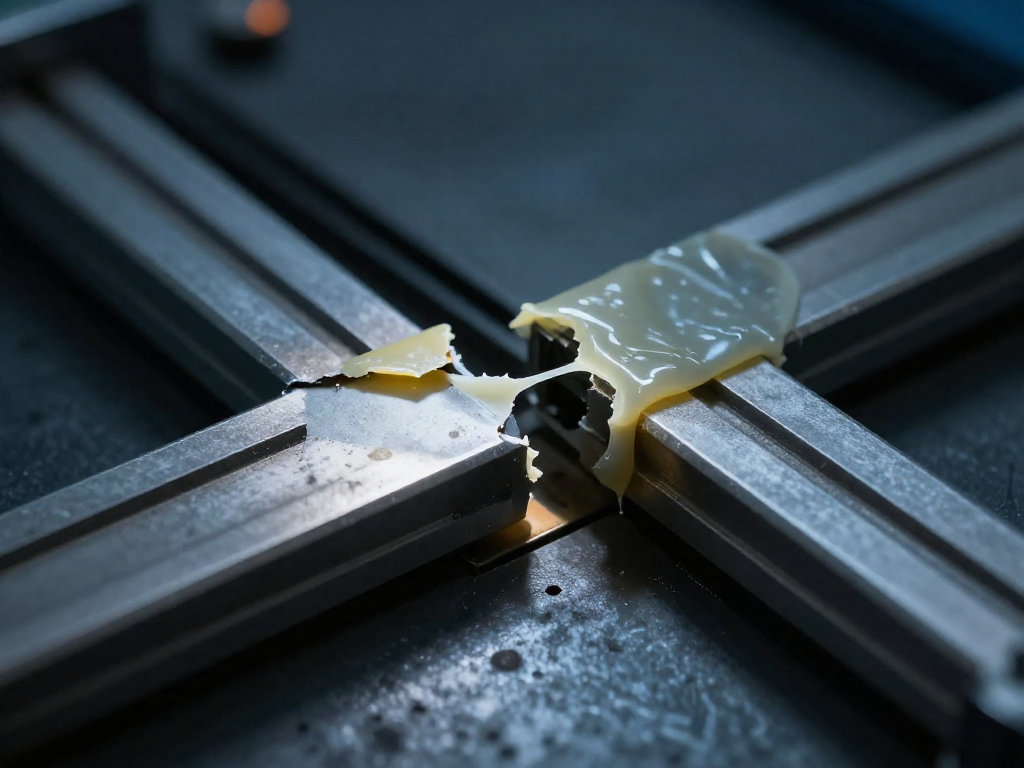
Vibration-Resistant Adhesives: Keeping Bonds Tight in Machinery and Vehicles
Choose an adhesive that won't crack or loosen under constant vibration. Compare flexible polyurethanes, toughened epoxies, and silane-modified polymers for dynamic loads.
Jul 22, 2026 · 9 min read