The Complete Guide to Drywall Anchors: Weight Ratings and Installation Tips
How do I choose the right drywall anchor for hanging shelves, TVs, or heavy mirrors?
On this page
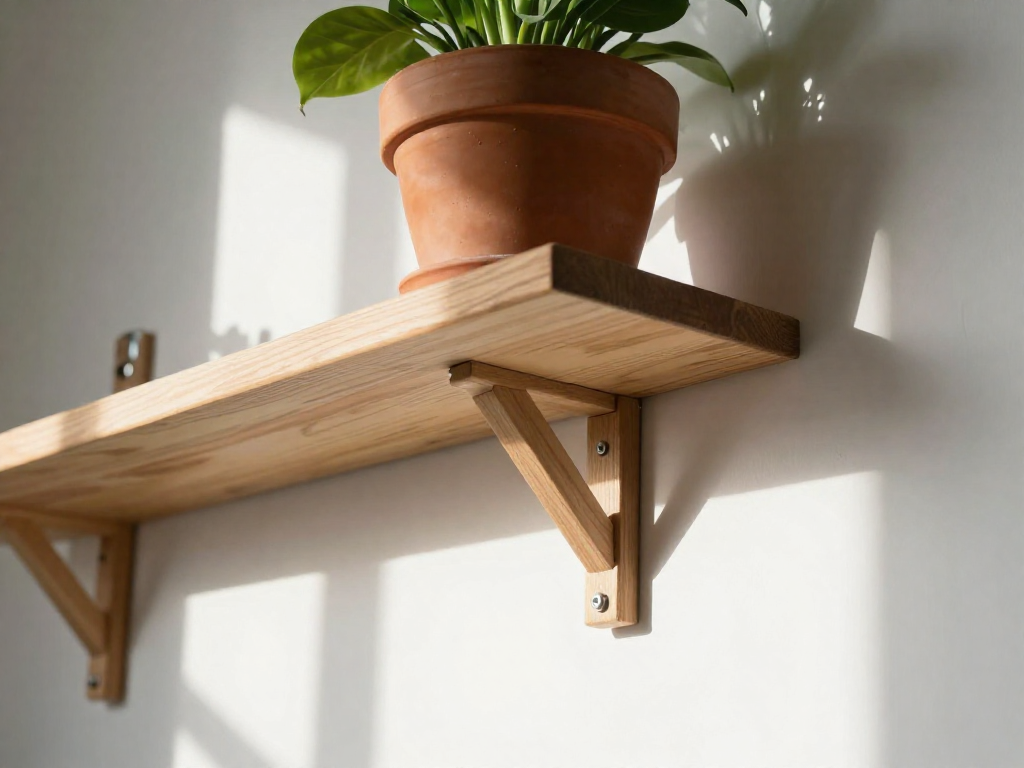
If you've ever had a shelf pull out of the wall, you know the importance of choosing the right anchor. But most people don't realize that a 50-lb anchor might only safely hold 12 lbs—and that a TV mount can multiply the force on your anchors by 6x. This guide cuts through the confusion with real numbers and a simple safety-first approach.
The Hidden Forces That Make Drywall Anchors Fail
That shelf that ripped out of the wall? It wasn't a bad anchor—it was bad math. Two hidden forces turn a safe-looking mount into a disaster. First, cantilevered loads multiply tension: a 75‑pound mirror on an 18‑inch bracket can pull 450 pounds on the top anchor (FactsFacts). Second, anchor strength ratings are ultimate failure values, so always divide by 4 for safety. Master those two numbers, and you'll never hang heavy things by guesswork again.
Drywall Anchor Types Compared: Strength and Weaknesses
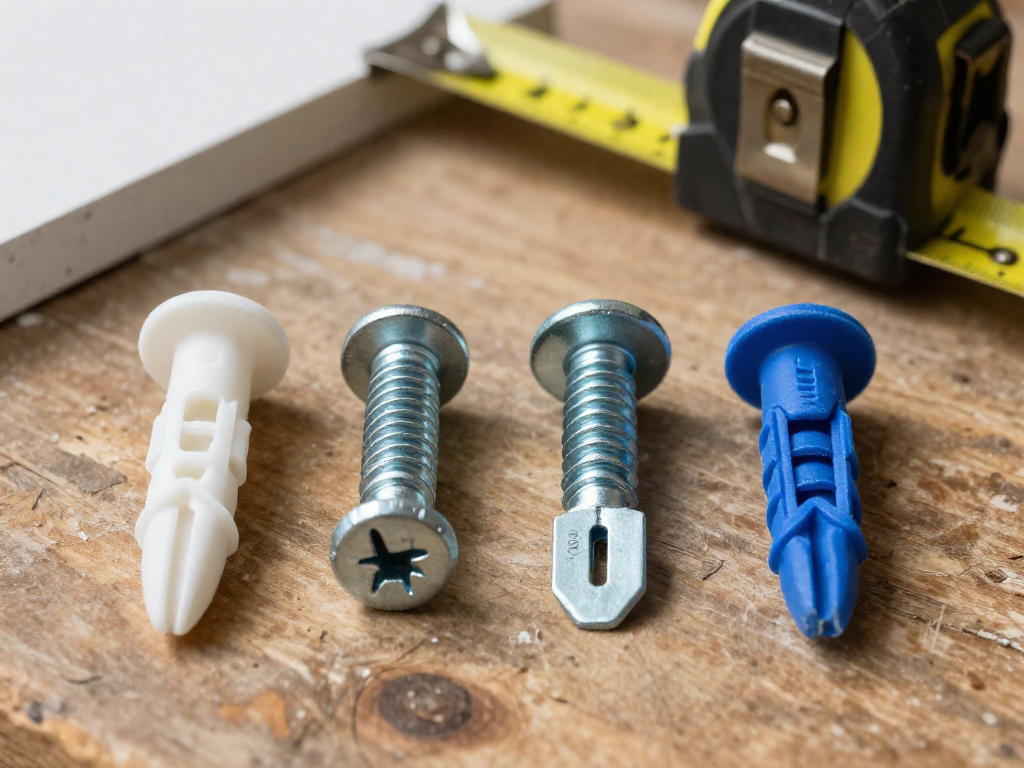
The anchor you pick either holds the load for life or tears out at the worst moment. Here’s how the four common types actually stack up, once you apply the safety factor that keeps your mirror off the floor.
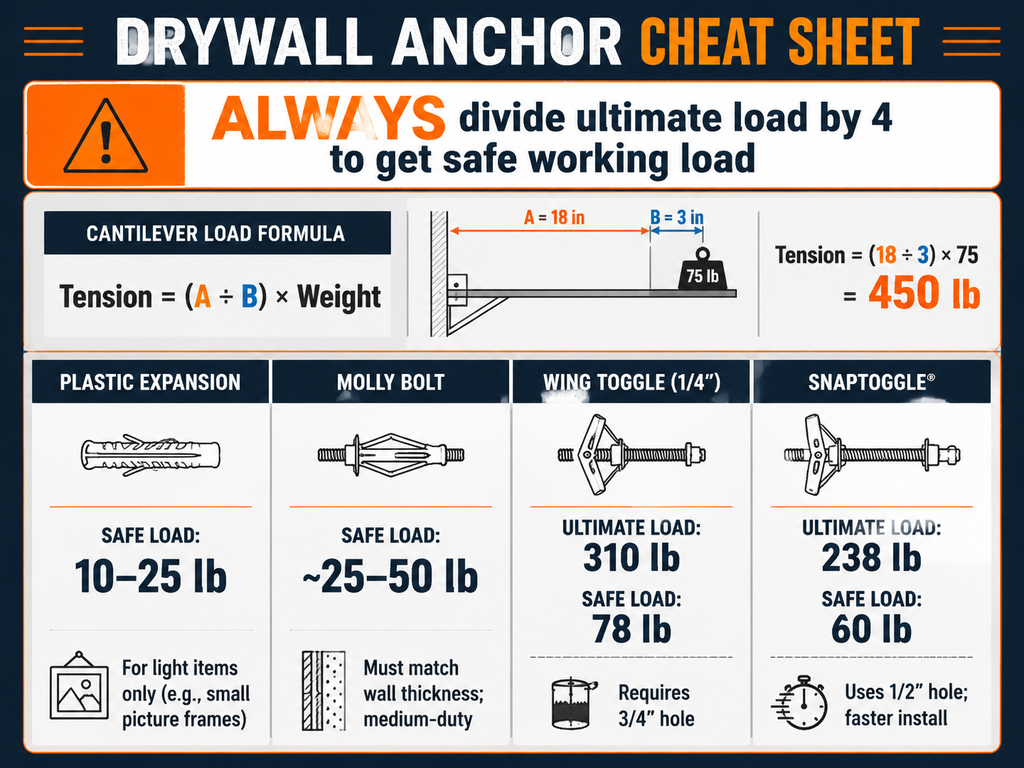
Plastic expansion anchors are the weakest link. They rely on friction as the screw spreads a slotted sleeve, and they’ll reliably carry only 10 to 25 pounds in 1/2-inch drywall (AGP Drywall). Use them for a small picture frame or a lightweight clock, and nothing else. Overload them and they simply pull out, often wallowing the hole so badly that a larger anchor won’t save the spot.
Molly bolts are a step up, but they come with a critical catch: the metal sleeve’s neck length must match your drywall thickness exactly. If you use a 1/2-inch Molly in 5/8-inch drywall, the legs won’t spread behind the panel, and the anchor will pull through under load. When installed correctly, a typical 1/4-inch Molly bolt has a safe working load around 25 to 30 pounds. Because they don’t create a deep back-clamp, they’re best for medium-duty wall fixtures—think handrail brackets or a small floating shelf—where you can multiply anchors across the object.
Wing-style toggle bolts are where heavy hanging gets real. A 1/4-inch toggle has an ultimate tensile strength of 310 lb and a shear strength of 350 lb in 1/2-inch drywall. Apply the industry-standard safety factor of 4, and you get a safe working load of roughly 78 lb per bolt in tension (AFT Fasteners). Toggles are unaffected by wall thickness because the wings open fully behind the panel, then clamp against the back. The 3/4-inch hole they require isn’t discreet, but the strength is worth it for heavy mirrors, large shelves, or a TV mount that must survive an accidental bump.
Snap toggles take that design and sharpen it. The Toggler SNAPTOGGLE holds up to 238 lb ultimate in 1/2-inch drywall—about 60 lb safe—while needing only a 1/2-inch hole, 50% smaller than a traditional wing toggle. You can pre-install the metal channel before the bolt goes in, which means you mount the fixture, tighten, and you’re done. No chasing a toggle wing that fell inside the wall. They run a little more than ordinary toggles, but the faster install and higher rated capacity make them the best all-around choice for anything north of 50 pounds.
Bottom line: plastic for trinkets, Molly bolts when you can’t punch a large hole but need more than plastic, and toggle bolts (wing or snap) for everything heavy. If you’re staring at a 450 lb tension load, plan on six 1/4-inch toggles or nine 1/4-inch Mollies—and then buy the toggles.
The 4-to-1 Safety Rule You Can’t Ignore
Here’s the rule that separates a solid installation from a crash in the middle of the night: divide the weight rating on the box by four. That’s your actual max. Those numbers are ultimate failure loads from lab tests on perfect ½-inch drywall, not something you’d ever subject your shelf to. AFT Fasteners confirms that the safe working load for toggle bolts is just one-quarter of the manufacturer’s listed value. So a 100-pound-rated anchor? It can safely hold only 25 pounds. To hang a 50-pound mirror, you’d need anchors with an ultimate rating of at least 200 pounds.
Why so conservative? In real rooms, drywall thickness varies, your pilot hole might be a hair off, and a loaded shelf gets bumped, shifted, or yanked—dynamic forces that can rip an anchor out well below its static test number. The safety factor accounts for all that messiness. Many online guides and even anchor packaging skip this step entirely, throwing around 100- and 200-pound claims with no disclaimer. That’s exactly why anchors fail. Run the numbers yourself and you’ll hang heavy things once, with confidence.
How a 75-lb TV Can Create 450 lbs of Tension
When you're mounting a TV on an articulating arm, the real force trying to rip the top anchors out of the wall isn't the TV's weight—it's leverage. The further the load sticks out, the harder those top fasteners have to pull to keep the whole thing from pivoting downward.
The math is straightforward: tension on the uppermost anchor equals (stand-off distance ÷ vertical spacing between the top anchor and the bottom pivot point) × the weight of the object. Think of it like a seesaw. A 75-pound TV on a mount that extends 18 inches from the wall, with just 3 inches of vertical separation between the top bolt holes and the bottom pivot, generates a startling 450 pounds of tension on those top screws. That's (18 ÷ 3) × 75.
In other words, your 75-pound TV is demanding a hold strong enough to support 450 pounds. Most people grab a pair of toggles and call it a day—and then their TV crashes to the floor. The single most important insight from this detailed anchor strength analysis is that you have to distribute that tension across multiple anchors. To safely carry that 450-pound pull in 1/2-inch drywall, you'd need six 1/4-inch toggle bolts. Or nine 1/4-inch molly bolts, 13 medium nylon toggles, or a staggering 28 nylon wall drillers. That's not a typo: 28 of those little plastic plugs just to hang one TV securely.
The tension disaster only applies when the object has significant stand-off. A flush-mounted mirror or cabinet that sits tight against the wall puts almost zero tension on the anchors; the weight goes straight down as shear, which drywall anchors handle far better. So whenever possible, choose a mount with minimal articulation or plan to support the weight with a stud instead of relying on a dozen anchors. And if you're stuck with drywall-only mounting on a long arm, count the number of top screws your bracket actually has. If it's two, you need to rethink the entire setup—because no pair of toggles is going to hold back 450 pounds of invisible leverage.
Installation Best Practices for Each Anchor
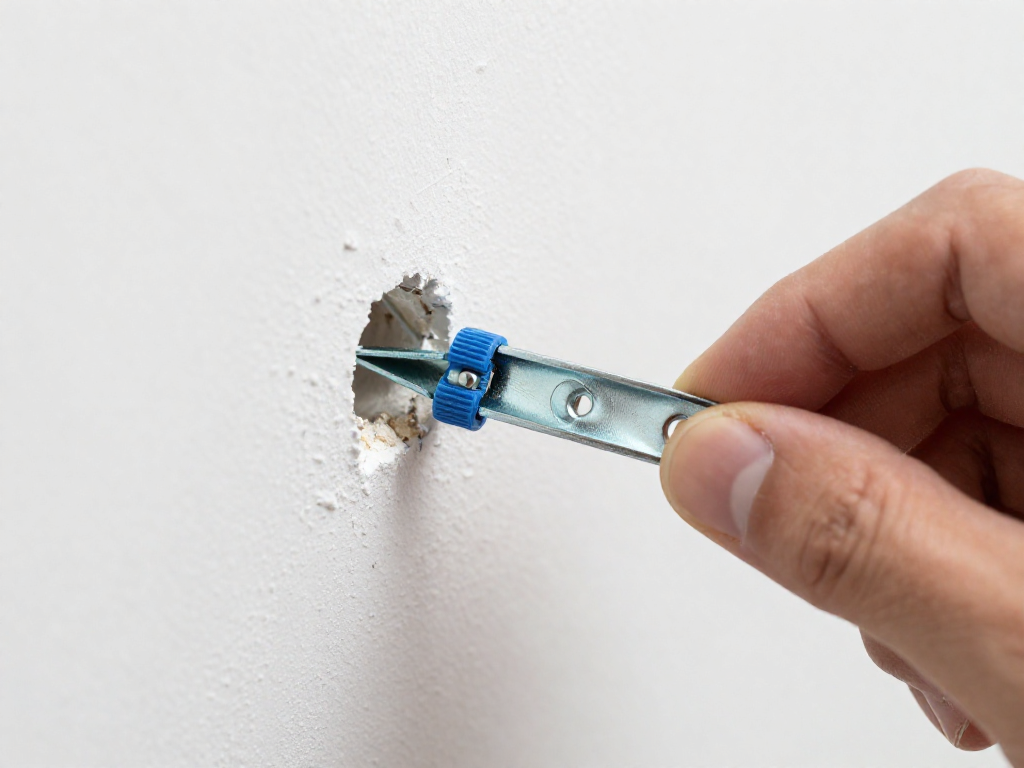
For lightweight jobs, plastic expansion anchors are fine, but only if you drill the exact hole size specified on the package and resist the urge to overtighten—once the plastic strips, it’s game over. These are 10- to 25-pound anchors, so stick to small picture frames. Molly bolts demand more attention: the neck length must match your drywall thickness, or the anchor won’t grip. Set the Molly using a setting tool or a screwdriver to expand the legs fully behind the wall before you mount anything.
Toggle bolts are a big step up. A 1/4″ toggle requires a 3/4″ hole, which feels huge, but that’s the price of strength—they’ll hold up to 150 pounds each in solid drywall. The non-negotiable step is confirming the wings have opened completely on the other side. If the hole is too snug or debris blocks the hinge, the toggle won’t catch. Pull down on the bolt as you tighten to force the wings against the wall and stop them from spinning freely.
Snap toggles make the process faster and less destructive. According to TOGGLER, you only need a 1/2″ hole—50% smaller than what a traditional toggle demands—so there’s less wall to repair if you remove it. Pre-load the metal channel onto the straps, push it through, and pull the straps to seat it; the channel won’t spin, and the plastic snaps off flush when you tighten the bolt. For bolt length, add your item thickness, wall thickness, and 1/2″. Check behind the wall first: you need at least 1-7/8″ of clear space for the channel to rotate into position.
Your Drywall Anchor Cheat Sheet
Pick your anchor based on weight and leverage. Always factor in tension from items that stick out.
- Under 20 lbs, flush: plastic expansion anchors work fine.
- 20–50 lbs, flush: upgrade to molly bolts or medium-duty toggles.
- Over 50 lbs or any overhang: heavy-duty toggles or snap toggles. Snap toggles like the Toggler SNAPTOGGLE hold up to 238 lbs ultimate in ½″ drywall—divide by 4 for a safe working load.
Sources
- Load Carrying Capacity of Sheetrock Fasteners — factsfacts.com
- Molly bolt weight limits for wall shelving (no access to the 2x4's in the wall behind drywall) — diy.stackexchange.com
- Toggle Bolts: The $1 Fix to Hanging on a Hollow Wall | Reviews by Wirecutter — nytimes.com
- Detailed Toggle Bolt Size Chart for Accurate Sizing | AFT Fasteners — aftfasteners.com
- SNAPTOGGLE® Heavy-Duty Toggle Bolt — Carbon Steel – TOGGLER — toggler.com
- Why Drywall Anchors Fail and How to Prevent It | AGP Drywall — agpdrywall.com
- Toggler Snap Toggle Bolts Installation Instructions — grabbarspecialists.com
See also
- /drywall-anchor-weight-calculator
- /snap-toggle-installation-guide
- /best-drywall-anchors-for-heavy-items
- /how-to-mount-a-tv-without-studs
Related articles
Machine Screws, Bolts, and Nuts: A DIYer’s Guide to Size and Grade
How do I know what size bolt and grade to use for a mechanical repair?
Jul 22, 2026 · 3 min read
Deck Screws vs. Nails: Fastening Deck Boards for Longevity
Should I use screws or nails for my deck, and what type?
Jul 22, 2026 · 6 min read
Toggle Bolts: The Strongest Drywall Anchor? When to Use Them and How to Install
How do I install toggle bolts for heavy wall-mounted items?
Jul 22, 2026 · 5 min read