The Complete Guide to Underwater Adhesives and Sealants
What adhesives work underwater for pool repairs, boat maintenance, or aquarium fixes?
On this page
From pool tiles that keep popping off to aquarium plants that won't stay put, failed underwater bonds are frustrating—and often a sign of choosing the wrong adhesive. This guide cuts through generic 'best glue' lists and shows you exactly what to use (and how to cure it) for a bond that holds under real immersion, chemicals, and temperature swings.
Introduction: Why Underwater Bonding Demands a Different Approach
For underwater repairs — whether it’s resecuring a pool tile, sealing a boat hull, or attaching frags in a reef tank — you need adhesives specifically engineered to cure in the presence of water. Standard glues rely on evaporation or moisture‑sensitive chemical reactions that water either blocks or prematurely triggers, leaving you with a weak joint that will fail when it matters most.
Using the wrong adhesive leads to expensive headaches. Regular tile adhesive, for example, wicks up water and loses bond strength in the chlorinated environment of a swimming pool, causing tiles to detach (Rock Build). That is why this guide cuts through the generic “best glue” lists and zeroes in on the adhesives that actually work: epoxy, polyurethane, and cyanoacrylate formulations designed for submerged applications. We will cover pool and aquarium repairs, marine maintenance, and other underwater fixes — with every recommendation backed by manufacturer specs and real‑world testing so you can trust the bond will hold.
The Underwater Adhesive Landscape: What’s Actually Available
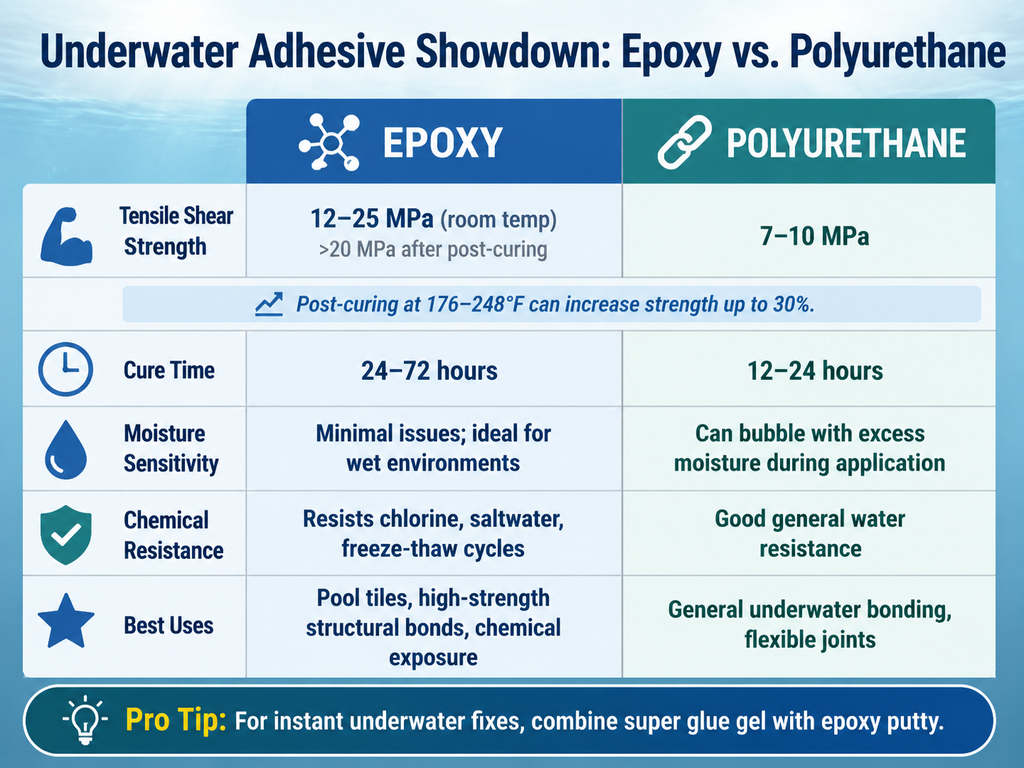
When you need a bond that won’t fail underwater, you’re really choosing from four adhesive families, each with its own superpower. Two-part epoxies deliver the highest ultimate strength—typically 12–25 MPa—but demand the most patience, often needing 24 to 72 hours to fully cure. That makes them great for permanent structural jobs like pool tile repairs, where chemical resistance and long-term durability are non-negotiable.
Polyurethanes are the more flexible, faster sibling, curing in 12–24 hours with a tensile shear strength of 7–10 MPa. They handle movement and vibration well, so they’re a smart pick for boat hull seams or anything that flexes. Silicones sit on the sealant side of the fence—they bridge gaps and keep water out but don’t expect much load-bearing from them.
Then there’s cyanoacrylate (CA) glue, which actually uses moisture to kick off a near-instant cure. Medium-viscosity CA glue won’t soak into porous rocks and it’s fish-safe, which is why aquascapers can press a plant against hardscape and have it set in 15–30 seconds—all without draining the tank (Glue Masters). Just know that CA’s speed comes at a cost: brittleness and poor gap-filling.
Pool & Tile Repairs: Why Standard Adhesive Guarantees Failure
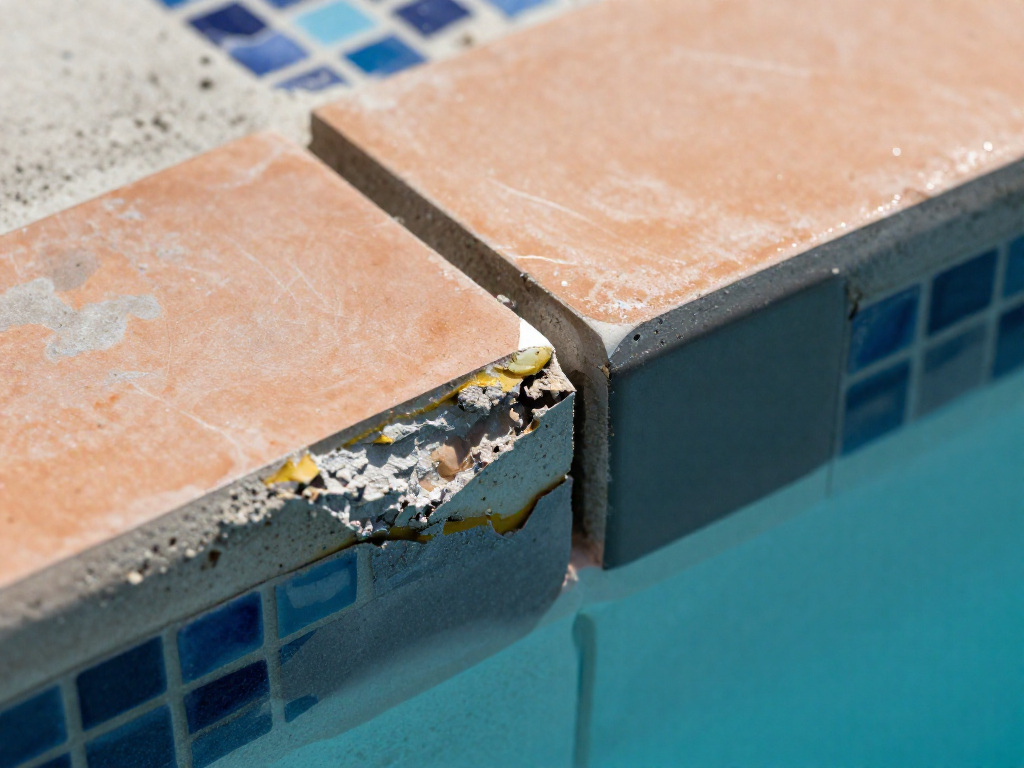
Pool tiles popping off is a classic sign of adhesive failure, and almost always, the root cause is using standard tile adhesive intended for dry areas. Regular thinset and mastic adhesives are formulated to bond in air, not underwater. Once a pool is filled, these adhesives soak up water like a sponge—there are no waterproofing components built into the mix. That absorption has two deadly effects: first, the adhesive swells, creating internal stress that cracks the bond; second, the water carries pool sanitizers like chlorine or bromine right into the adhesive matrix, chemically degrading the polymers. In a chlorinated pool, this can happen within a single season. The result is tiles that wiggle loose and grout that crumbles, allowing water to infiltrate behind the bond line and start a cycle of progressive failure.
The only adhesive that’s engineered to handle this extreme environment is a Type 3 epoxy pool tile adhesive. Unlike water-based mortars, epoxy cures into a dense, non-porous plastic that water cannot penetrate. According to adhesive manufacturer Rock Build, Type 3 is the only dependable option for underwater pool tile installations because it was formulated specifically to resist chlorine, saltwater, and all common pool chemicals, while maintaining high bond strength and enough flexibility to move with the pool shell. That flexibility is critical—pool structures expand and contract with temperature changes, and a rigid cement-based bond would eventually crack under the strain.
Epoxy adhesives also shine in freeze-thaw climates. Where winter temperatures cause pool water to freeze and expand, the tile adhesive must endure repeated mechanical stress without delaminating. Pooltile.ca notes that epoxy pool tile adhesive is uniquely suited for variable climates, thanks to its superior chemical resistance and ability to accommodate the expansion and contraction of the underlying surface through freeze-thaw cycles.
For the strongest bond, always apply Type 3 epoxy to clean, dry tiles and a clean substrate if at all possible. While the adhesive will cure underwater—that’s its job—starting with dry surfaces eliminates any interference from a water film and gives a demonstrably stronger bond. If you must work in damp conditions, the epoxy will still grab, but give it the full cure time before filling the pool, typically seven days to reach full chemical resistance. When every tile is subject to constant hydraulic pressure and chemical attack, don’t gamble with regular adhesive—go straight for the epoxy that was made for the job.
Aquascaping & Aquarium Fixes: CA Glues That Cure Underwater
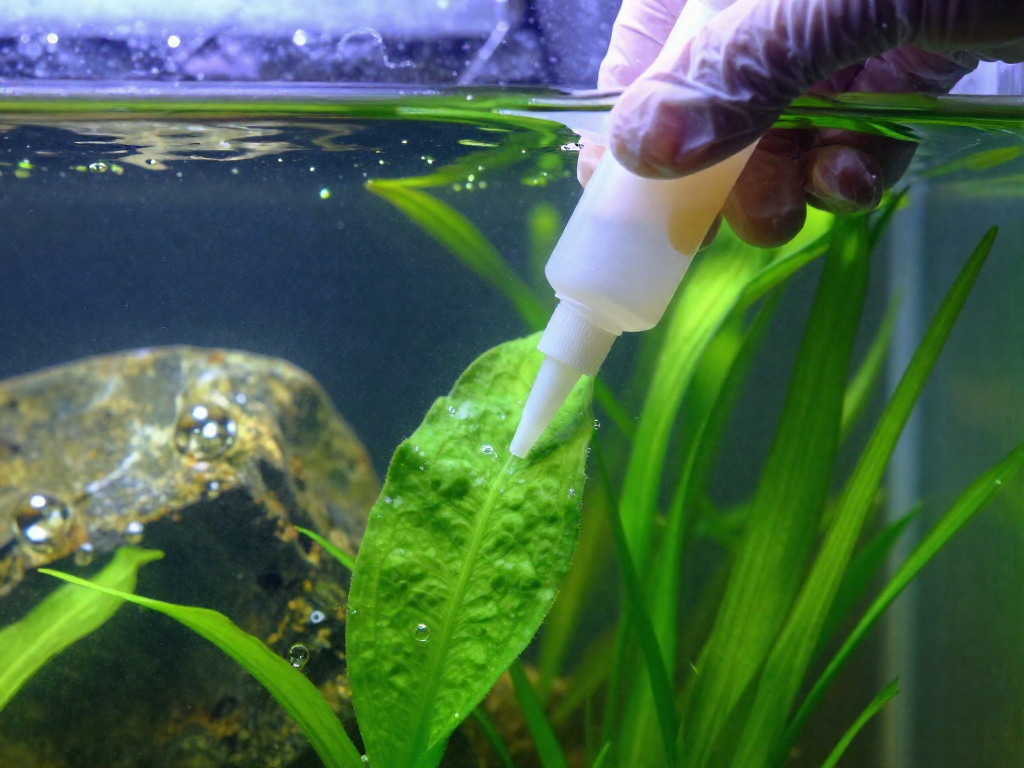
When you need to anchor plants, moss, or coral frags inside a filled tank, medium‑viscosity cyanoacrylate (CA) glue is the standout choice. High‑quality cyanoacrylate glues are safe for use in fish tanks and cure rapidly in the presence of water, without releasing toxins into the aquarium (Gluemasters). Unlike watery thin versions, the medium‑viscosity gel won’t soak into porous rock and gives you a few seconds of positioning time before it grabs.
Application technique matters. Many experienced aquascapers prefer to apply the gel to a dried plant base and dry hardscape outside the tank, then place the assembly immediately. Water causes cyanoacrylate to skin over almost instantly, so trying to glue fully submerged often results in a weak, messy bond. Once placed, hold the plant firmly against the rock or wood for 15–30 seconds while the glue sets; after that, the bond is solid enough to release.
Need a faster set? CA accelerators trigger an instant bond, but they come with a catch: the curing reaction releases heat and fumes. Always use them in a well‑ventilated room or wear a respirator, and keep the mist away from your tank’s water surface. For attaching coral frags, a popular trick is to sandwich a pea‑sized ball of two‑part epoxy putty between the frag plug and the rock, then apply a generous dollop of super glue gel on both sides. The putty fills gaps and the CA locks everything in place immediately, eliminating the long wait for epoxy alone to cure.
Cyanoacrylate is a lifesaver for aquascaping, but it’s not a structural adhesive. Do not use it to seal aquarium seams or repair load‑bearing rockwork; it’s designed for attaching lightweight decorations and small frags. For those jobs, stick with purpose‑made silicone or epoxy designed for permanent underwater seals, and always check manufacturer safety sheets before introducing any chemical into your tank.
Marine & General Submersion: Urethane vs. Epoxy Showdown
When it’s fully submerged, you’ve got two workhorse chemistries: polyurethane and epoxy. Both will cure and hold underwater, but they pull it off in very different ways. Pick the wrong one for the load, and you’ll be redoing the repair a season later.
Polyurethane adhesives are the flexible all-rounder. They typically cure in 12 to 24 hours, even in damp conditions, and they stay slightly rubbery after cure. That flexibility is a genuine asset: under cyclic loading from waves, thermal expansion, or vibration, a rigid bond line can crack, while a polyurethane joint simply flexes and absorbs the stress. However, polyurethane has limits. Its shear strength maxes out notably lower than a well-cured epoxy, and excess moisture during application can cause it to foam up, weakening the bond. So a dry assembly area or careful underwater application matters.
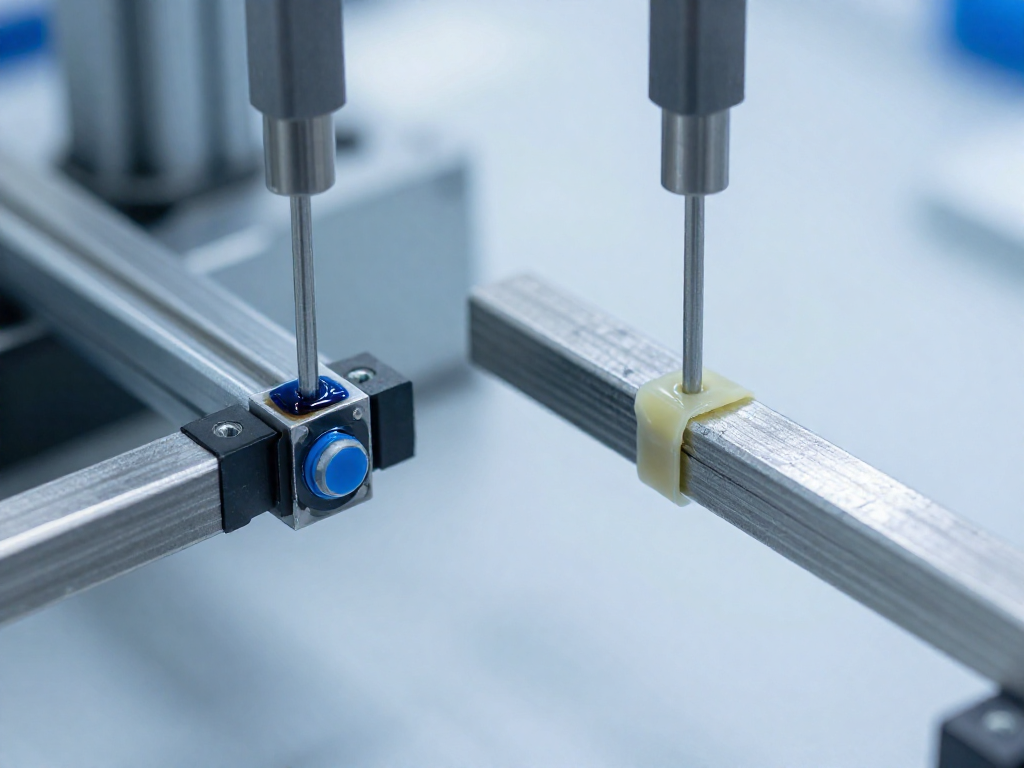
Where polyurethane bends, epoxy rules on brute strength. A two-part epoxy, when cured with discipline, can reach shear strengths above 20 MPa. But getting there isn’t a simple ‘mix and stick.’ Post-curing at elevated temperatures—176 to 248°F—is what pushes the glass transition temperature up, locking in that high strength and improving chemical resistance. In fact, Nagase Chemtex has shown that adjusting five cure parameters (temperature, time, humidity, pressure, and mix ratio) can boost shear strength by up to 30% with the same formula. Without that post-cure, the epoxy may still perform but never reaches its full potential underwater. Cure times run longer: 24 to 72 hours, so plan your downtime accordingly. Rigid and brittle when fully hardened, epoxy is unforgiving under flex. If your hull or fitting moves, the bond may crack unless you design for it.
So the choice usually comes down to flexibility versus ultimate strength, and cure speed versus skill. In permanent underwater structural repairs—through-hull fittings, motor mounts, high-load brackets—epoxy with a thorough post-cure is the answer. For sealing seams, cushioning mounts, or any joint that needs to ‘give’ a little, polyurethane is the safer bet. Epoxy also tends to hold up better against solvents and chlorine, while polyurethane’s water resistance is excellent but can be compromised by harsh pool chemicals over time. Both demand clean surfaces free of silt and oil; underwater, a quick scuff and wipe can make or break the bond. Pay attention to manufacturer ratios and pot life—especially with polyurethane, which can start foaming if humidity creeps in.
Application Pitfalls: Moisture, Bubbles, and Cure Times That Sink Your Bond
Even the most durable underwater adhesive can’t save a job if it’s applied poorly. Three common blunders—misjudging moisture, rushing the cure, and ignoring chemical hazards—are responsible for most on-site failures. Knowing how to sidestep them makes the difference between a permanent fix and a redo.
Polyurethane glues cure by reacting with moisture, which is why they work so well in wet conditions. But too much water causes outgassing that leaves a foamy, weak bond. Jesons, an industrial adhesives supplier, confirms that excessive moisture creates bubbles that compromise strength. If you’re bonding underwater with polyurethane, switch to a moisture-insensitive epoxy for fully submerged repairs, or work in stages—applying the adhesive, then quickly mating surfaces before the outer skin cures.
Cyanoacrylate (super glue) sets on contact with water, which sounds like a feature until it prevents proper wetting. Hobbyists on Reef2Reef repeatedly warn against dispensing super glue gel straight underwater. The water flash-cures the outside layer before the adhesive can grip the surface, resulting in a superficial bond. Instead, apply the gel to a dry piece outside the tank, then press it into position for 15–30 seconds—the gel stays workable just long enough to get a solid seat before water triggers the cure. For awkward coral frags, combine a pea-sized blob of epoxy putty with a dollop of CA on top; the putty fills gaps while the glue anchors instantly.
Cure patience is another underestimated factor. Most epoxies and many urethanes don’t reach full strength until well after the initial set. Research by Nagase Chemtex shows that fine-tuning five curing parameters—temperature, time, humidity, pressure, and mix ratio—can boost shear strength by up to 30%. If your epoxy datasheet specifies a post-cure oven step (often 1–2 hours at 60°C–80°C), skipping it leaves significant performance on the table. For load-bearing or safety-critical repairs, that missed heat cycle can be the difference between holding and catastrophic failure.
Accelerators solve the “numb finger holding a frag” problem, but they come with their own risks. Bulk Reef Supply cautions that the instant curing reaction releases heat and visible smoke. Those fumes aren’t harmless—work in a well-ventilated area, and if you’re gluing dozens of corals in a small fish room, wear a respirator. The exotherm can also surprise you; the glue joint may get hot enough to soften sensitive thermoplastics.
Finally, even underwater, surface preparation matters. A biofilm of algae, residual oil, or loose rust will prevent any adhesive from bonding. A quick scrub with a stiff brush and, if accessibility allows, a wipe with isopropyl alcohol right before applying the adhesive dramatically improves adhesion. Don’t rely on the water to do the cleaning for you—it won’t.
Quick‑Reference Adhesive Selection Guide
Match the repair to the adhesive before you even open a tube. Here’s what works where.
| Scenario | Best Adhesive | Why It Works |
|---|---|---|
| Pool tile repair | Type 3 epoxy adhesive | Resistant to chlorine, saltwater, and all pool chemicals; flexibility prevents cracking |
| Aquarium plant/rock attachment | Medium‑viscosity cyanoacrylate gel | Cures in seconds when wet, aquarium‑safe, and won’t soak into porous rock |
| Boat hull patch | Two‑part polyurethane or post‑cured epoxy | Polyurethane thrives under constant submersion and vibration; post‑cured epoxy reaches shear strengths above 20 MPa for structural loads |
| General underwater metal/plastic | Epoxy (properly cured) or urethane | Epoxy for rigid, high‑strength bonds; urethane when the joint will flex |
For pool tile, nothing beats a Type 3 epoxy adhesive — it’s the only formulation rated for permanent submersion and aggressive chemicals (Rock Build). In aquariums, a medium‑viscosity CA gel grabs almost instantly and won’t cloud water or harm livestock. When you’re patching a boat hull below the waterline, the choice hinges on load: a two‑part polyurethane handles flex and vibration beautifully, but if you need serious structural strength, an epoxy that can be post‑cured (heated after gelling) will far exceed the raw bond of any room‑temperature cure. And for general fixes — say, a metal bracket bonded to a plastic pipe — match the adhesive to the movement: epoxy when it must stay put, urethane when it must give a little.
Frequently Asked Questions About Underwater Adhesives
Can I use super glue underwater? Technically, yes—but only if you apply it first to a dry surface and then press it into place. Water causes cyanoacrylate (CA) glue to cure almost instantly, so trying to squeeze it directly onto a submerged part just hardens the bead. For aquascaping, dab a blob of medium-viscosity CA on a dry coral fragment, then hold it against the rock for 15–30 seconds for a solid grip. High‑quality CA glues are aquarium-safe once cured, so your fish are fine. (Glue Masters)
What’s the strongest underwater adhesive? Post‑cured epoxy delivers the highest ultimate bond strength. Expect 24–72 hours for a full cure—less if you warm the work—making it the heavy‑hitter for load‑bearing repairs. Faster‑setting polyurethane grabs quicker (12–24 hours) and is the go‑to for gluing wet surfaces, bonding reliably to damp substrates where many epoxies struggle. (Jesons) (Ellsworth)
Sources
- Pros and Cons of Urethane, Epoxy, or Silicone Adhesives — ellsworth.com
- Comparison of Tensile Shear Strength of Adhesives|Curing Methods to Maximize Bond Strength|Nagase Chemtex Co., Ltd. — group.nagase.com
- Innovation in Adhesive Technology: How CA Glues Are Revolutionizing Aquascaping — gluemasters.com
- How to Glue Plants, Rocks, and Wood for the Perfect Planted Tank — fresh.bulkreefsupply.com
- Can I glue underwater? - Reef2Reef — reef2reef.com
- Best Pool Tile Adhesive Guide for Canadian Swimming Pools — pooltile.ca
- Why You Should Never Use Regular Tile Adhesive for Underwater Pool Tiles - Rock Build — rockbuild.in
- Polyurethane vs Epoxy Adhesives: Industrial Bonding Guide | Jesons — jesons.net
See also
- best epoxy for metal bonding
- choosing the right marine adhesive
- how to prep surfaces for adhesive bonding
Related articles
Humidity-Tolerant Adhesives: Bonding in Moist Climates Without Blushing
Which adhesives cure properly in very humid environments?
Jul 22, 2026 · 5 min read
DIY Car Repair Adhesives: Fixing Trim, Lights, and Panels That Last
Compare double-sided tape, epoxy, and polyurethane for car trim, panel, and headlight repairs. Data-backed guide with real adhesion strengths and weather durability.
Jul 22, 2026 · 8 min read
Outdoor Fastener Alternatives: When Adhesives Beat Screws for Exterior Projects
In outdoor projects, when should I use adhesive instead of mechanical fasteners?
Jul 22, 2026 · 10 min read